


Chip Seal Maintenance: What You Should Expect Over Time
 In Southwest Florida, chip seal is often chosen for commercial properties because it balances cost control with fast installation. In places like Bonita Springs, where heat, humidity, and seasonal storms are part of daily operations, performance over time matters more than first-day appearance.
Property owners and managers want to know how long a surface will last, what changes are normal, and when action is required. That understanding starts with how chip seal actually behaves in our local conditions.
Key Takeaways
- Chip seal aging in Bonita Springs is driven by heat, moisture, and traffic rather than sudden failure.
- Early changes like fading or minor stone loss are normal, but still guide maintenance timing.
- Targeted maintenance extends service life and reduces long-term commercial pavement costs.
- Proactive planning aligns pavement performance with changing site use and liability needs.
How Chip Seal Surfaces Age and Perform in Southwest Florida Conditions
Chip seal does not fail all at once. It changes gradually, influenced by climate, traffic, and site design around Bonita Springs and nearby Estero and Naples. Below is what we see most often on commercial sites.
Heat-Driven Binder Oxidation
Southwest Florida heat accelerates oxidation of the asphalt binder. On open parking lots along corridors like US-41 or Bonita Beach Road, surface temperatures routinely exceed ambient air temperatures.
Over time, the binder stiffens and loses flexibility. This is expected aging, not a defect, but it reduces the surface’s ability to self-heal minor stress from turning vehicles and delivery traffic.
Aggregate Embedment and Early Stone Loss
In the first year or two, chip seal aggregate continues to seat into the binder. On commercial drive lanes near retail centers or medical offices, turning movements and braking help embed the stone.
Some early loose aggregate is normal, especially after summer rainstorms. Excessive loss, however, can indicate insufficient binder application or traffic loads heavier than originally planned.
Moisture and Drainage Influence
Bonita Springs receives heavy rainfall during the wet season, and moisture is the long-term enemy of any asphalt surface. Chip seal performs best when water drains quickly off the pavement.
On flat sites common in Lee County commercial plazas, ponding water can work under the binder, accelerating stripping and reducing service life if drainage is not addressed.
UV Exposure and Color Change
Intense Florida sun leads to gradual color fading and a drier surface appearance. On properties with minimal shade, such as warehouse yards or open storage areas near I-75, this UV exposure is constant.
While fading is cosmetic, it is also a visual cue that the binder is aging and approaching the point where a rejuvenating treatment may be needed.
When Maintenance, Resealing, or Repairs Are Needed to Extend Service Life
Knowing what aging looks like helps, but the real value comes from acting at the right time. The following situations signal when maintenance becomes a financial decision, not just a surface issue.
Loss of Surface Texture in Traffic Lanes
High-traffic areas such as main entrances, loading zones, and fire lanes wear faster. When aggregate texture becomes smooth, skid resistance drops, which matters for liability management on commercial sites.
In Bonita Springs retail and office properties, this is often the first sign that a fog seal or rejuvenator should be scheduled to restore binder flexibility and lock down remaining stone.
Isolated Raveling or Bare Spots
Small areas of raveling around dumpster pads, delivery aprons, or busier parking rows are common. These spots are usually tied to heavy axle loads or frequent turning.
Targeted repairs at this stage are far more cost-effective than waiting until the damage spreads across a larger section of pavement.
Water Intrusion at Joints and Edges
Edges along curbs, sidewalks, and landscaped islands are vulnerable. Once water begins to penetrate at these transitions, the underlying base can soften.
On commercial sites with irrigation systems or frequent pressure washing, this process can accelerate. Sealing edges and joints early helps protect the structural layers beneath the chip seal.
Changes in Site Use or Traffic Patterns
Chip seal performance is tied to assumptions made at installation. If a Bonita Springs property shifts from light office use to higher-turnover retail or adds regular delivery traffic, maintenance timing should be reevaluated.
What worked for the original use may no longer be sufficient, and proactive resealing can prevent premature failure.
Plan Chip Seal Maintenance Before Problems Escalate
For commercial properties in Bonita Springs, chip seal maintenance is about protecting operational uptime and long-term budgets. At Onyx Asphalt USA, Inc., we evaluate how your surface is aging in real Southwest Florida conditions, not just by a generic timeline.
If your pavement is showing early signs of wear or your traffic demands have changed, now is the time to act. Contact us and let’s schedule a site walkthrough to review current conditions, discuss maintenance options, and plan the next step before minor aging turns into disruptive repairs.
Frequently Asked Questions
How long should a chip seal surface last on a commercial property in Bonita Springs?
Under typical Southwest Florida conditions, commercial chip seal surfaces often perform well for several years when maintained, with service life influenced by traffic volume, drainage, and sun exposure rather than calendar age alone.
What maintenance option is usually recommended first for an aging chip seal?
A fog seal or rejuvenating application is commonly the first step, as it restores binder flexibility and helps retain aggregate, especially on high-exposure sites near coastal humidity and intense UV.
Does chip seal maintenance require permits or site shutdowns in Lee County?
Most maintenance treatments do not require permitting, but access coordination is critical, and work is typically staged to maintain tenant and customer access during business hours.
Can chip seal be maintained instead of replaced when traffic increases?
In many cases, yes, but the surface must be evaluated to confirm the base and binder are still sound, since heavier traffic may require a different treatment strategy or phased upgrades.
The Timeline You Can Expect From Driveway Installation
 If you are thinking about a new driveway in Bonita Springs, timing is usually the first big question. Between summer storms, HOA rules in communities near Imperial Parkway, and sandy soils common across Lee County, the schedule matters just as much as the materials. Most residential driveway projects move faster than homeowners expect, but only when the steps are planned correctly.
Below, we walk through the realistic timeline and what can affect it, so you can plan with confidence before work begins.
Key Takeaways
- Most residential driveway installations in Bonita Springs are completed within a few days, including curing time.
- Base preparation and weather are the biggest factors that influence the overall schedule.
- HOA approvals and soil conditions should be addressed early to avoid delays.
- Proper planning ensures a smooth process with minimal disruption to your home.
Site Evaluation and Scheduling
The timeline starts before any equipment arrives.
We evaluate your property, check access from streets like West Terry Street or Bonita Beach Road, and look at drainage patterns that are common in Southwest Florida. This visit helps us determine if base work or grading will add days to the schedule.
Once the scope is clear, we coordinate timing around HOA notice requirements and seasonal rain patterns, especially during the summer months when afternoon storms are common.
Removal of Existing Driveway Surface
If an old asphalt or concrete driveway is in place, removal usually takes one day for most Bonita Springs homes. Crews break up the surface, haul debris off-site, and prep the area for the next phase. Homes with narrow side yards or landscaping close to the driveway may take a bit longer due to careful equipment access.
This step is fast, but it sets the pace for everything that follows.
Base Preparation and Grading
Base preparation is one of the most important timeline stages in coastal Florida. Sandy soils near areas like Bonita Bay or neighborhoods closer to the Imperial River often require additional compaction or stabilization.
This phase typically takes one to two days, depending on soil conditions and driveway size. Proper grading also ensures water flows away from your home, which helps prevent pooling during heavy rains.
Asphalt Installation Day
For most residential driveways, asphalt installation is completed in a single day. Hot mix asphalt is delivered, placed, and compacted while temperatures are ideal. In Bonita Springs, we often schedule paving earlier in the day to avoid afternoon storms and extreme heat.
Once laid, the surface begins cooling immediately, allowing for faster progress to the next step.
Initial Curing and Cooling Period
Although asphalt looks finished right away, it needs time to cool and set.
Typically, homeowners can walk on the driveway within a few hours, but vehicle traffic should wait at least 24 hours. During hotter months in Southwest Florida, curing can take slightly longer due to retained heat.
This short waiting period protects the surface from tire marks or surface movement.
Final Inspection and Clean Up
The final phase includes a walkthrough, edge detailing, and site cleanup. We check transitions to garages and sidewalks, which is especially important in HOA communities with appearance guidelines. This step usually happens the same day as paving or the following day.
Once complete, your driveway is ready for normal use with simple care guidelines to follow.
Factors That Can Affect Your Installation Timeline
Even with a clear plan, a few local variables can shift the schedule by a day or two, which is why it helps to understand what can influence timing before your project begins.
The most common factors we see in Bonita Springs include the following:
Weather and Seasonal Rain Patterns
Bonita Springs weather plays a big role in scheduling.
Summer brings frequent afternoon storms, which can delay base work or paving by a day or two. Planning installation during drier months or building flexibility into the schedule helps avoid rushed work and ensures proper compaction and curing.
HOA Approval and Community Guidelines
Many residential neighborhoods require HOA approval before driveway work begins. This can add days or weeks if documents are not submitted early. Communities near Pelican Landing or Spanish Wells often have specific rules about materials, edges, and work hours.
Planning with approvals keeps the installation timeline on track.
Driveway Size and Layout
A longer or wider driveway naturally takes more time, especially if it includes curves or extended parking areas. Homes with circular driveways or additional parking pads may add an extra day to base preparation.
Clear access from the street also affects how quickly equipment can move in and out.
Soil Conditions and Drainage Needs
Southwest Florida soils vary even within the same neighborhood.
Properties closer to low-lying areas may need extra stabilization to prevent settling. Addressing these conditions during preparation adds time upfront but prevents long-term issues that would disrupt your driveway later.
Material Availability and Scheduling Windows
Asphalt availability can fluctuate during peak construction seasons in Lee County.
Coordinating delivery windows and crew availability is part of realistic planning. Booking early helps secure ideal dates, especially during spring when many homeowners schedule exterior improvements.
Schedule Your Driveway With Confidence
A new driveway does not have to disrupt your routine for weeks. With the right planning and a clear timeline, most Bonita Springs driveway installations are completed within a few days from start to finish.
At Onyx Asphalt USA, Inc., we walk you through each phase, plan around local conditions, and keep the schedule realistic from day one. If you are ready to plan your driveway installation, call us or request an estimate so we can map out the right timeline for your home.
Frequently Asked Questions
How soon can I park on my new driveway after installation?
In most cases, vehicle traffic is safe after 24 hours, though hotter Bonita Springs temperatures can extend cooling slightly. During the first few days, lighter vehicles and avoiding sharp turns help protect the surface.
How far in advance should I schedule driveway installation?
Scheduling two to four weeks ahead is common, especially during spring and early summer. This allows time for HOA approvals, material coordination, and weather planning.
Does the rainy season change how installation is scheduled?
Rain does not usually stop a project entirely, but it can delay certain phases like base work or paving. Planning around typical afternoon storms helps keep the timeline predictable.
Will my driveway need sealing right away?
New asphalt should cure for several months before sealcoating. This allows oils to fully settle, which improves long-term durability and appearance.
What Warning Signs Tell You It’s Time For New Driveway Paving?
 Bonita Springs homeowners see the mix of coastal sun, salty air, and afternoon downpours take a toll on driveway surfaces. Many folks in neighborhoods near Imperial Parkway or around Bonita Beach Road ask why their asphalt shifts so quickly.
The answer our climate breaks down driveways faster than in inland areas. You can spot the signs long before the damage spreads, and the sooner you act, the smoother your paving project will go.
Let’s look at what to watch for and how to get ready for a fresh, long-lasting surface.
Key Takeaways
- Bonita Springs’ heat and humidity speed up driveway wear.
- Widespread cracking, potholes, and drainage issues signal the end of pavement life.
- Good prep includes clearing the area, checking HOA rules, and planning parking.
- Repaving restores structure, safety, and curb appeal.
Widespread Cracking Under Coastal Heat
Long, branching cracks usually mean the asphalt base is weakening, not just the surface.
The hot pavement along Old 41 Road often reaches temperatures high enough to dry out binders, and that makes small lines spread quickly. Homes in Spanish Wells and Pelican Landing see this often because driveways get full sun through most of the day.
Once cracks connect in a web pattern, water gets in, and the next rainy season makes the problem worse. When you see this level of cracking, the best choice is full repaving because patching no longer holds up.
Deep Potholes Forming After Heavy Rains
Potholes form when water sits inside cracks and softens the layers under the asphalt. Our June through September storms flood low spots near streets like Shangri-La Road, and that constant saturation pushes the pavement down.
Even a small pothole tends to grow fast in this area because wet soil shifts under the load of vehicles. As soon as the base shifts, the surface loses support and collapses inward.
Once that happens, the entire section usually needs replacement, not just a quick patch.
Drainage Problems That Wash Across the Surface
Standing water across the driveway tells you the grade or base has dropped.
Many homes near the Imperial River have soil that settles unevenly, which sends stormwater across driveways instead of away from them. That extra flow erodes the edges and pushes water into tiny openings.
Over time, those wet areas weaken the driveway at a deeper level, making resurfacing a temporary fix at best. Tackling the grade and the base with a full repave prevents the cycle from starting again.
Loose Gravel Showing Through the Asphalt Layer
When small stones appear across the surface, it means the asphalt binder has worn down. Drives near the beachfront or closer to Bonita Beach Road see this faster because the salt in the air dries the top layer.
As the binder breaks down, the gravel loosens, making the surface rough and uneven.
This sandpaper-like texture also fades the color and reduces the driveway’s strength. Repaving restores the bond and protects the surface from coastal wear.
How To Prepare for a Smooth and Timely Driveway Paving Project
A little planning helps the project move quickly and reduces stress for homeowners throughout Bonita Springs.
Clear Everything From the Driveway Area
Removing vehicles, planters, and small landscape borders gives us full access to the workspace. Homes in Village Walk and Morton Grove often have tight driveways, so clearing the edges lets the crew work faster.
This also keeps dust and debris out of your belongings during removal.
A clean work zone helps us stay on schedule because equipment can move in and out without delays. Plan to shift items the night before so the crew can start right away.
Coordinate With Your Neighborhood or HOA
Many gated communities like Cedar Creek or Hawthorne have rules for construction hours, access points, and guest parking. Knowing those guidelines early helps the project move smoothly and avoids fines or delays.
Some HOAs also require advance notice before large equipment enters.
We often help homeowners coordinate these steps so approvals are ready by the project date. The smoother the access, the quicker the paving job wraps up.
Plan for Temporary Parking
Driveway paving takes time to cure, and homeowners need a place to park while the surface sets. In areas near Terry Street or the YMCA, street parking can fill quickly, so planning prevents last-minute scrambling. The curing period varies by heat and humidity, and Bonita Springs’ humidity often slows the process slightly.
Having a set spot ready makes the project less stressful for the family. We guide you on how long the area will be off-limits based on the season.
Protect Nearby Landscaping From Heat and Debris
Fresh asphalt carries heat, and the equipment can push dust toward nearby plants.
Homes with tropical landscaping in San Carlos Estates or around Rosemary Drive should shield shrubs and new plantings. Simple barriers help protect leaves from temporary heat exposure during compaction.
This small step keeps the yard looking sharp after the project is done. It also saves time on cleanup and replanting.
Get Your Driveway Project Started With Confidence
A worn driveway brings daily frustration. Cracks spread, potholes grow, and the surface loses curb appeal fast in our climate. You deserve a clean, durable surface that holds up through Bonita Springs’ heat and storms.
At Onyx Asphalt USA, Inc., we walk you through each step, from spotting the early warning signs to planning the work around your schedule. Reach out today and set up a visit so we can review your driveway and give you a clear path to a fresh new surface.
Frequently Asked Questions
How do I know if cracking on my driveway is past the point of simple repairs?
Deep or connected cracking often points to base failure under the asphalt, and Bonita Springs’ heat dries the binder quickly, which speeds that failure. When the cracks form a web pattern and reach several feet in length, full repaving gives the strongest long-term result because the base can be rebuilt.
How long does a full repaving project usually take at a typical Bonita Springs home?
Most residential projects take one to two days for removal and paving, followed by a curing window based on heat and humidity. Our coastal moisture can add a few hours to cure time, and we give timelines based on the season to help you manage parking and access.
Can drainage issues be fixed during the repaving process?
Minor regrading and base corrections are handled during the paving process, especially in areas with soft soil near the Imperial River. These fixes guide water away from the driveway so the new surface lasts longer.
What type of maintenance helps a new driveway hold up in our coastal climate?
Sealing on a regular schedule protects asphalt from UV light and salt exposure common in neighborhoods near Bonita Beach Road. Light cleaning and watching for early cracks also keep the surface strong between service visits.
What a Driveway Contractor Looks for During an Inspection
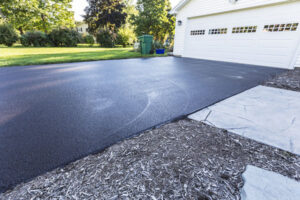 A driveway inspection in Bonita Springs, FL, isn’t just a formality. It’s the first step toward keeping your property safe, attractive, and durable in our subtropical climate.
Between the heavy summer rains, high humidity, and the occasional salt air blowing in from Estero Bay, driveways here face unique challenges that homeowners in other parts of the country don’t have to think about.
At Onyx Asphalt USA, Inc., we perform inspections with these local conditions in mind to identify early warning signs and prevent small problems from becoming costly repairs later on.
Key Takeaways
- A driveway inspection in Bonita Springs checks cracks, drainage, and surface wear caused by heat, rain, and salt air.
- Each inspection looks at soil movement, water flow, and edging to find problems before they become expensive repairs.
- The process includes repair plans, good timing for work, and simple tips to keep driveways strong longer.
- Onyx Asphalt USA, Inc. offers trusted local service built for Bonita Springs weather to keep driveways safe and smooth.
Key Elements Our Bonita Springs Driveway Contractors Examine During an Inspection
Surface Cracking and Structural Integrity
The most obvious—and most telling—signs of driveway wear in Bonita Springs are surface cracks. Our team looks closely for “alligator” cracking, edge breaks, and spiderweb fissures that can appear after a few storm seasons or under the weight of frequent vehicle traffic.
Because Bonita Springs’ soil has a high sand content, shifting foundations can make cracking worse over time. We often see this along Imperial Parkway and in neighborhoods like Bonita Bay or Pelican Landing, where soil settling and irrigation runoff are common.
Identifying the root cause helps us determine whether the fix calls for simple crack sealing or a more thorough resurfacing.
Drainage and Water Flow Patterns
Proper drainage is critical here in Southwest Florida. During inspections, we check how well your driveway channels water away from the surface and toward storm drains.
Pooling water after a summer downpour—especially common near Old 41 Road or Bonita Beach Road—can accelerate asphalt deterioration. We also look for signs of erosion around the edges, which may indicate that your driveway isn’t sloped correctly or that the sub-base has weakened.
Addressing drainage issues early protects both your driveway and your home’s foundation from water-related damage.
Surface Texture and Asphalt Oxidation
Our Bonita Springs climate, with its year-round sun and humidity, can cause oxidation that fades the deep black of asphalt into a dull gray. This isn’t just a cosmetic issue. It signals the loss of essential oils that keep your pavement flexible.
During inspections, we test the surface texture for brittleness and look for raveling, where small stones and sand begin to loosen. Areas near the Gulf often show faster wear because of salt exposure carried inland by coastal breezes.
Restoring these driveways typically involves sealcoating with UV-resistant materials to extend lifespan and revive the surface.
Sub-Base Stability and Load Bearing
Beneath every solid driveway is a strong base layer. We assess how well your sub-base is holding up, especially if your property sits near water or in low-lying areas like those off Terry Street or Bonita Grande Drive. Over time, moisture intrusion can cause the sub-base to soften, leading to depressions or “birdbaths” on the surface.
Our inspections use visual checks and physical tests to gauge whether compaction has been compromised, which is key to determining if resurfacing alone will suffice or if full reconstruction is needed.
Edging, Transitions, and Curb Appeal
Driveway edges tell us a lot about long-term durability.
We evaluate transitions between your driveway and the street or sidewalks—especially in gated communities like Spanish Wells or Worthington Country Club, where decorative curbing and brick paver borders are popular. Crumbled edges or loose borders can let water seep underneath, creating problems that spread inward.
Keeping those transitions smooth not only enhances curb appeal but also protects against moisture damage and structural weakening.
Next Steps After a Driveway Inspection in Bonita Springs
Professional Recommendations and Repair Planning
Once the inspection is complete, we provide a detailed assessment outlining our findings and the most practical repair options.
For example, a driveway on West Terry Street that’s showing light cracking may only need a sealcoat, while one near Bonita Beach might require patching and drainage correction due to coastal runoff. We always tailor our recommendations to your property’s unique conditions, ensuring you receive long-term value instead of temporary fixes.
Scheduling Repairs and Seasonal Timing
Timing matters when it comes to driveway repairs in Bonita Springs. Because of our rainy season from May through October, we often recommend scheduling larger repair or paving projects during the drier months. This allows materials to cure properly and reduces the risk of water damage before the surface sets.
During your consultation, we’ll help plan the best window for your project based on local weather forecasts and material availability.
Maintenance Tips to Extend Your Driveway’s Lifespan
We don’t just inspect and repair—we guide homeowners on how to maintain their driveways between professional visits. In Bonita Springs, that means regularly sweeping away palm fronds and debris, rinsing off salt spray if you’re near the coast, and avoiding parking heavy boats or RVs in the same spot for extended periods.
These small habits can go a long way toward preserving your investment and keeping your driveway looking clean and strong.
Scheduling Routine Follow-Up Inspections
Even after repairs, it’s smart to have your driveway rechecked every couple of years, especially in neighborhoods where the water table is high. Routine inspections allow us to catch early signs of damage caused by shifting soil or seasonal storms.
For homeowners near the Imperial River or along Bonita Beach Road, consistent monitoring can help prevent sudden deterioration after periods of heavy rain or flooding.
Protect Your Bonita Springs Driveway Before Damage Spreads
At Onyx Asphalt USA, Inc., we help you get ahead of the problem with detailed inspections, honest assessments, and expert repair solutions built for our Florida climate.
We understand the local conditions—from the sandy soils of Bonita Bay to the salt-heavy air near Hickory Boulevard—and we use high-quality materials designed to hold up against both sun and storms. If you want to make sure your driveway stays smooth, safe, and attractive year-round, reach out today.
Frequently Asked Questions
How often should I reseal my asphalt driveway in Bonita Springs?
Most Bonita Springs driveways need resealing every two to three years because of strong sun, humidity, and salt air. Using a UV-protective sealant helps prevent fading, cracking, and surface brittleness over time.
Can you repair driveways damaged by tree roots?
Yes, we can. Our crew removes invasive roots, rebuilds the weakened base, and repaves the surface with durable materials that hold up well in Bonita Springs’ sandy soil and moist conditions.
What asphalt mix works best for Bonita Springs’ coastal weather?
A flexible hot mix asphalt works best here since it resists softening from heat and cracking from heavy rain. This type of mix offers long-term durability in Florida’s coastal environment.
Do you offer maintenance services after driveway repairs?
Yes, we do. We provide scheduled inspections, surface cleaning, and resealing to keep driveways in great shape and reduce long-term repair costs for Bonita Springs homeowners.
How to Know If Your Paving Contractor Is Using Quality Asphalt
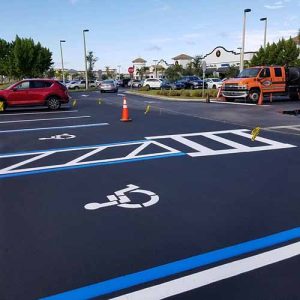 When you’re investing in a new driveway, private road, or parking lot in Bonita Springs, the quality of the asphalt your contractor uses can make or break the job—literally.
If you’re in neighborhoods like Spanish Wells, Bonita Bay, or along Old 41, and you’ve had issues with premature cracking or sinking pavement, there’s a good chance the problem started with the asphalt itself.
In this guide, we’ll show you what “quality asphalt” really means, how to tell if your contractor is using the right materials for our local conditions, and what warning signs to watch for after the job is done.
Key Takeaways
- Quality asphalt contains balanced aggregates and binder, stays hot during installation, and performs well in Bonita Springs conditions.
- A good contractor provides mix documentation, prepares the base, and works with local asphalt plants for proper delivery.
- Asphalt choice should match location use, whether in Bonita Bay residential driveways or commercial lots near U.S. 41.
- Early problems like fading, rutting, or pooling water often mean the asphalt mix or installation method was poor.
What Does “Quality Asphalt” Really Mean?
A quality asphalt refers to a mix that meets strict standards for durability, performance, and suitability for the local climate and traffic load. In Bonita Springs, where summer temperatures routinely hit the high 90s and seasonal downpours are common, it must be able to resist softening, rutting, and water damage.
Good asphalt contains the right balance of aggregates (like crushed stone, gravel, and sand) and asphalt binder—a petroleum product that gives the pavement its flexibility and binding properties.
A quality mix also involves temperature control.
If the asphalt cools too much before it’s compacted, it won’t bond properly to the base or itself. This is especially relevant for projects in areas like Spanish Wells or Pelican Landing, where residential layouts can slow down truck access.
How to Know if Your Paving Contractor Is Using Quality Asphalt in Bonita Springs
Bonita Springs doesn’t give asphalt much room for error.
If you want to know whether your contractor is using quality asphalt, watch how they handle the job before the first ton hits the ground. These are the practices we follow to make sure every surface we pave holds up in our local conditions.
They Provide Documentation of the Asphalt Mix Being Used
Reputable contractors in Bonita Springs should be able to tell you exactly which asphalt mix they’re using and provide documentation from the supplier. This might include batch tickets, weight slips, or certification from a local plant like Ajax Paving Industries in Fort Myers.
For homeowners in Imperial Shores or commercial property managers near U.S. 41, this transparency shows the contractor isn’t using a substandard or overly recycled mix to cut costs.
If a contractor avoids this topic or won’t share details, that’s a red flag.
They Coordinate Closely With Local Asphalt Plants
In Southwest Florida, asphalt is usually sourced from nearby facilities to reduce cooling during transport. Quality contractors maintain strong relationships with local plants and schedule deliveries to align with install timing.
For instance, if you’re paving a driveway near Bonita Beach Road, your contractor should account for traffic delays from the I-75 interchange and time the job so the asphalt is still within the ideal compaction temperature.
Working with a local plant also allows the contractor to request custom blends for specialty surfaces or heavier traffic areas.
They Prepare a Proper Base Before Paving Begins
Even the best asphalt mix will fail if it’s laid over a poorly prepared base.
In Bonita Springs, where sandy soils and frequent rain create drainage challenges, a solid sub-base is essential. A quality contractor will grade the area for proper runoff—especially important near Spring Creek or flood-prone zones off Old 41 Road—and compact layers of crushed limestone or shell rock.
If your contractor skips base prep or rushes the grading process, the pavement is likely to settle, crack, or erode prematurely.
They Compact the Asphalt With the Right Equipment and Timing
Asphalt must be compacted while it’s hot using heavy rollers in a specific pattern. This ensures a smooth, dense surface that resists moisture penetration and deformation.
In neighborhoods like Vanderbilt Lakes, where cul-de-sacs and curved roads are common, using the wrong roller size or improper technique can lead to uneven surfaces.
Contractors who invest in modern compactors and train their crews to adapt to site conditions are the ones delivering quality results that last.
They Match the Asphalt Type to the Project’s Needs
Driveways in Bonita Bay need a different asphalt grade than parking lots serving high-traffic areas like Promenade at Bonita Bay. A quality contractor understands the difference between residential mixes and heavy-duty commercial grades, and they won’t cut corners by using one type for all jobs.
They also factor in UV exposure, drainage patterns, and usage intensity when selecting the right material. If your contractor doesn’t ask questions about how the space will be used, they’re not tailoring the asphalt to fit your needs.
What to Watch for in the First 6 Months After Paving in Bonita Springs
Even when a paving job looks perfect on day one, early problems can creep in fast—especially with Bonita Springs’ brutal UV exposure, flash flooding, and soft soil near the coast.
Here’s what to look for if you want to catch issues early and avoid costly asphalt repairs.
Rapid Color Fading Under the Florida Sun
In Bonita Springs, UV exposure is no joke.
If your new asphalt starts turning gray or patchy just weeks after installation, that’s a sign it wasn’t made with UV-stable binders or was overexposed during application.
While some fading is normal, extreme early discoloration—especially on driveways facing south near Bonita Beach—can indicate poor mix quality or inadequate compaction.
Pooling Water or Improper Drainage After Rainstorms
A major test for asphalt in Bonita Springs comes during our rainy season, especially when tropical systems push in from the Gulf.
If you notice standing water in low spots after an afternoon storm, the grading or compaction wasn’t done correctly. This is especially problematic near Marbella Lakes Drive and similar areas prone to flash flooding.
Poor drainage accelerates deterioration and leads to cracks and potholes forming prematurely.
Cracking or Separation at Edges and Joints
If cracks start forming at the seams or along the edges within a few months, it often means the contractor didn’t properly bond the layers or allowed the asphalt to cool too quickly during installation. This issue is common in jobs where trucks can’t access the site easily, such as tight properties near Estero Bay.
Quality paving leaves no gaps, and edges are sealed to prevent moisture infiltration.
Rutting or Surface Indentations From Normal Vehicle Use
Asphalt that begins to show ruts or low spots under tire tracks—especially in shaded driveways under royal palms or oak trees where heat retention is lower—signals that it wasn’t compacted correctly. It may also indicate a weak mix with too much recycled binder.
These issues can appear quickly in residential areas like Arroyal Road, where residents frequently turn their wheels in place while parking.
Unusual Soft Spots That Don’t Harden Over Time
If you notice parts of the pavement remain soft or oily underfoot even after weeks or months, the asphalt likely contained too much binder or was not mixed and laid at the correct temperature.
This issue can be particularly noticeable during warmer months in areas with less tree cover, like around Bonita National Golf & Country Club, where the pavement is exposed to direct sunlight for long periods each day.
Don’t Gamble on Asphalt Quality—Get It Done Right the First Time
At Onyx Asphalt USA, Inc., we take the guesswork out of paving. We work with FDOT-approved asphalt plants, tailor each job to local conditions—whether you’re near Bonita Beach, Imperial River, or off Terry Street—and provide full documentation of the mix we use. We handle everything from proper grading and base prep to precise compaction with the right equipment for your site.
If you’re ready to invest in paving that lasts, contact us today to schedule an on-site evaluation or request a free quote. Let’s make sure your new surface looks great and holds up for years to come—no surprises, no shortcuts.
Frequently Asked Questions
How long does asphalt paving typically last in Bonita Springs, FL?
Most asphalt surfaces in Bonita Springs last 15 to 20 years with proper base prep, sealcoating, and repairs. At Onyx Asphalt USA, Inc., we offer routine maintenance plans to help extend your pavement’s lifespan.
Do I need to sealcoat asphalt pavement, and how often should it be done?
Sealcoating every 2 to 3 years protects asphalt from UV rays, water damage, and oil stains. We provide professional sealcoating services to keep driveways and parking lots in Bonita Springs looking clean and performing well.
Can minor asphalt damage be fixed without full resurfacing?
Yes, cracks, potholes, and surface wear can often be repaired with patching or overlays. Our team assesses each project to recommend the right repair method based on local conditions, traffic use, and surface age.
When is the best time to schedule asphalt paving in Bonita Springs?
The cooler, drier months from November to April are best for asphalt work. We schedule projects during this window to ensure proper curing and fewer delays due to rain or high humidity.
When to Schedule Parking Lot Striping Contractors for the Best Results
If you own or manage a commercial property in Bonita Springs, you know how important that first impression is. Faded or confusing parking lot lines don’t just look bad. They create safety issues and liability concerns.
Whether you’re near the Promenade at Bonita Bay or managing a lot off U.S. 41, timing your parking lot striping project right is just as important as hiring a qualified crew.
In Southwest Florida, not every day is ideal for line striping. Between the subtropical climate and the seasonal traffic spikes, you need to be strategic about when you bring in a professional striping contractor.
Here’s what we recommend at Onyx Asphalt USA, Inc. to help you get the best, longest-lasting results for your parking lot.
Key Takeaways
- The dry season in Bonita Springs gives the best weather for striping because rain and humidity stay low.
- Hurricane season often brings storms that can ruin fresh paint and cause costly delays in your striping project.
- Hot pavement in summer harms paint, so early morning or evening work helps lines last much longer.
- Local traffic, events, and rules matter, which is why we help you schedule striping at the right time.
Dry Season Offers the Most Reliable Striping Conditions
The best time to schedule striping in Bonita Springs is during the dry season, which typically runs from late October through April.
During this period, humidity levels are lower, and there’s far less rainfall compared to the storm-heavy summer months. This is critical because parking lot paint—whether it’s thermoplastic, waterborne, or oil-based—needs a dry surface and several hours of dry weather to properly cure.
Striping during the dry season helps avoid paint washout or premature fading, especially on lots near the coast where salt air can already accelerate wear and tear.
What to Do Before Scheduling Parking Lot Striping in Bonita Springs
Getting long-lasting results from a striping project in Bonita Springs means more than just avoiding a rainy forecast. Below are the most important timing decisions we guide our clients through to help keep their pavement markings crisp and compliant.
Avoid Striping During Hurricane Season
From June through November, Bonita Springs faces an increased risk of tropical storms and hurricanes. Even if a major storm isn’t on the radar, the frequent afternoon downpours and unpredictable weather patterns make it risky to schedule parking lot striping during this time.
Rain can delay work or cause newly applied markings to smear or fade quickly.
Plus, if your lot is being used as a staging area for emergency response vehicles or sandbag distribution—as we’ve seen in past years—having fresh striping down can be more of a hindrance than a help.
Do Not Schedule Around Peak Seasonal Traffic in Bonita Springs
Bonita Springs sees a major influx of seasonal residents and tourists, particularly from January through March. If your business is near the Coconut Point Mall, Bonita Beach Road, or one of the many resorts in the area, you’ll want to avoid disrupting traffic during this busy season.
Striping requires a portion—or sometimes all—of your lot to be closed temporarily. Trying to schedule work during peak times can frustrate customers and limit access to your property.
We often recommend planning striping work for early fall, right before the busy season ramps up, or late spring, once the snowbirds have headed home.
Plan for Early Morning or Evening Work to Avoid Extreme Heat
Even during the dry season, daytime temperatures in Bonita Springs can easily climb into the high 80s or 90s, especially in late spring and summer. Asphalt surfaces can get much hotter than the air temperature, which can impact how well the paint adheres and cures.
By scheduling striping jobs early in the morning or later in the evening, we can avoid the hottest part of the day and ensure more consistent results.
This approach is especially useful for lots along Bonita Beach Road or Old 41, where direct sun exposure is intense and prolonged.
Coordinate With Local Regulations and Community Events
Bonita Springs is a city that stays active with farmers’ markets, art shows at Riverside Park, and events near the Liles Hotel and Everglades Wonder Gardens.
If your parking lot is adjacent to one of these venues or near the downtown redevelopment zone, you’ll need to consider the city’s schedule and permitting requirements. We’ve worked on projects where coordination with the City of Bonita Springs and Lee County was necessary to avoid conflicts with street closures or traffic redirection.
Planning your striping project well in advance can help you avoid surprises and delays.
Let’s Get Your Lot Looking Its Best—Without the Hassle
Worn-out lines can lead to confusion, traffic congestion, and even liability issues on your property—but scheduling a striping project at the wrong time can make things worse.
At Onyx Asphalt USA, Inc., we help property managers and business owners in Bonita Springs make smart timing decisions that align with Florida’s climate, tourism trends, and local logistics.
Whether your lot is in Bonita Bay, off Terry Street, or near Imperial Parkway, we’ll work with you to choose the ideal window for clean, durable, professional striping. Let us handle the timing and execution so you can focus on running your business without interruptions.
Contact us today to request a quote or schedule your next parking lot striping project.
Frequently Asked Questions
How often should parking lot striping be refreshed in Bonita Springs?
Most lots should be restriped every 12 to 24 months, depending on traffic, sun exposure, and paint type. We offer routine maintenance programs to help keep your lines clear, compliant, and professionally maintained year-round.
Can you stripe parking lots at night or outside business hours?
Yes, we provide flexible scheduling, including nighttime and weekend striping, to avoid disrupting your business. Our crew uses proper lighting and equipment to deliver high-quality results without interfering with daily operations or customer access.
Do you handle ADA-compliant markings and accessible parking layout?
We handle full ADA striping layout, signage placement, and stall sizing to meet Florida requirements. Our team ensures every parking lot is safe, accessible, and compliant with all current federal and local accessibility standards.
What paint products do you use for long-lasting results near the coast?
We use premium-grade waterborne and thermoplastic paints designed for Florida’s coastal climate. These products resist fading, salt air, and heavy use, helping your striping stay visible and durable even near Bonita Beach or Estero Bay.
Should You Repair or Replace Your Driveway? Ask an Asphalt Paving Contractor in Bonita Springs
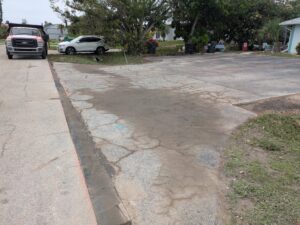 If you’re staring at cracks or potholes in your Bonita Springs driveway and wondering whether it’s time to fix them or start fresh, you’re not alone. The intense Florida sun, heavy summer rains, and daily wear and tear from salt air and sand can really take a toll on asphalt.
Whether you live off Bonita Beach Road near Barefoot Beach or in a gated community like Pelican Landing, driveway damage can impact both curb appeal and safety.
But not every flaw means you need a full replacement.
Here’s how we approach the decision—and what you should look for before making the call.
Key Takeaways
- Small cracks, faded spots, or drainage dips often mean your Bonita Springs driveway can be repaired instead of replaced.
- Widespread cracking or soft spots usually point to base failure and make full driveway replacement the better option.
- Driveways older than 20 years in Bonita Springs weather often need to be replaced to stay safe and reliable.
- A local inspection from Onyx Asphalt USA, Inc. helps you decide if repair or replacement is the right choice.
When a Driveway Repair Makes More Sense in Bonita Springs
Sometimes, repairing your asphalt driveway is the smarter option—especially when the damage is isolated or the surface still has some good years left.
Minor Surface Cracks From Sun Exposure
In Bonita Springs, UV exposure from year-round sunshine can cause the asphalt binder to dry out and shrink, leading to thin surface cracks. This is common in open areas like Spring Creek Village, where driveways have little shade.
These cracks usually don’t require a full replacement. Crack sealing and patching with a high-quality asphalt emulsion can restore flexibility and protect the base from water intrusion.
Isolated Potholes After a Summer Storm
If your driveway developed a pothole or two after last season’s heavy rains or tropical storms—especially in lower-lying areas like those near Imperial River—asphalt repairs are usually enough. Localized potholes can be cleaned out and filled with hot mix asphalt to create a level, durable surface.
As long as the base underneath hasn’t failed, replacement isn’t necessary.
Drainage Problems in Just One Spot
Some Bonita Springs homes—especially those built in the early 2000s near Bonita Bay—have driveways with small dips or settling areas where water pools.
If it’s a single problem area and not a symptom of widespread subsurface failure, we can often regrade that section and repair it with fresh asphalt. Addressing minor drainage issues early prevents larger problems down the road.
Faded Appearance Without Structural Damage
Asphalt naturally fades from rich black to gray over time, especially in coastal areas like Bonita Shores, where salt air accelerates oxidation.
If the surface is still smooth and intact but just looks worn, a driveway sealcoating and fresh striping can give it a like-new appearance without the cost of a full tear-out. This is a smart option for boosting curb appeal before selling a home in neighborhoods like Spanish Wells.
When a Driveway Replacement Is the Better Option
Some driveway issues go deeper than surface damage. When the structural integrity of the asphalt or base layer is compromised, it’s usually more cost-effective to replace it entirely.
Widespread Alligator Cracking
If your driveway has interconnected cracks resembling alligator skin—common in older driveways in Bonita Farms—it usually means the sub-base has failed.
Patching won’t solve the underlying issue.
We typically recommend a full-depth replacement to rebuild the base and install new asphalt that will stand up to future Florida weather.
Frequent Sinking and Soft Spots
In areas with high water tables like those near the Everglades Wonder Gardens, poor soil compaction or repeated moisture intrusion can lead to soft or sunken areas in your driveway. These are signs the base layer has lost its strength.
In these cases, repairing won’t hold up over time, and full replacement with a properly compacted sub-base is the only long-term fix.
Driveway Is Over 20 Years Old
If your driveway was installed when Collier County was still booming in the early 2000s and hasn’t seen significant pavement maintenance since, it’s likely time for a replacement.
Asphalt has a typical lifespan of 15 to 20 years in Bonita Springs’ subtropical climate. Once it hits that age, resurfacing won’t last, and replacing it ensures better performance and appearance.
Extensive Root Damage From Tropical Landscaping
In neighborhoods like Vanderbilt Lakes or Serrano, tropical landscaping with palms and ficus trees is beautiful—but those roots can wreak havoc on asphalt.
If your driveway has multiple raised or cracked areas caused by root intrusion, patching is a temporary solution at best. Replacement combined with root barrier installation is often the smarter long-term fix.
Not Sure Which One You Need? Here’s How We Help You Decide
At Onyx Asphalt USA, Inc., we start every Bonita Springs driveway consultation with a site evaluation. We assess the surface condition, look for signs of structural failure, and take into account drainage patterns, tree coverage, and nearby grading.
We’ve worked with homeowners from Bonita National Golf & Country Club to the historic Bonita Springs neighborhood off Old 41, and no two driveways are exactly alike.
Call us today to schedule your driveway assessment. We’ll give you honest recommendations, whether it’s a quick fix or a full replacement.
Frequently Asked Questions
How long does a typical driveway repair last in Bonita Springs?
Most asphalt repairs in Bonita Springs last 3 to 5 years, depending on weather, traffic, and maintenance like sealing and cleaning. We always recommend regular upkeep to extend the repair’s life.
Can you add a new asphalt layer over my existing driveway?
Yes, in many cases we can overlay a new asphalt layer if the base is still solid. We inspect for cracks, drainage issues, and base stability before recommending an asphalt overlay.
Do I need a permit to replace my driveway in Bonita Springs?
Yes, driveway replacement usually requires a permit through the City of Bonita Springs or Lee County. We handle all permitting for you to keep the project smooth and compliant.
What time of year is best for asphalt work in Bonita Springs?
Winter and spring are ideal because lower humidity and cooler temperatures help asphalt set properly. We still work year-round, adjusting timing to avoid heavy summer rains or extreme heat.
How Long Does It Take to Install Commercial Asphalt in Bonita Springs?
If you’re planning a commercial asphalt project in Bonita Springs, one of the first questions you’re likely asking is: how long will this take?
Whether you’re prepping for a new parking lot near Bonita Beach Road or resurfacing a commercial drive near Old 41, timing matters. You need to minimize disruptions to your business, keep your property safe, and make sure the job gets done right the first time.
Let’s break down the key factors that determine how long commercial asphalt installation takes here in Bonita Springs.
Key Takeaways
- Bigger jobs like full parking lots take longer than small resurfacing projects around Bonita Springs business locations.
- Rain, heat, and humidity in Bonita Springs can delay asphalt installation and increase the time needed to cure.
- Sandy soil near places like Spring Creek often requires extra work that adds time before paving can begin.
- Business hours, permits, and asphalt mix choices all affect how long your commercial paving project will actually take.
Size and Scope of the Project
The biggest driver of how long your asphalt job will take is the size of the surface we’re paving. A small office parking lot off West Terry Street might only take a day or two, while a sprawling retail complex near Coconut Point Mall could take several days or more.
Scope also includes details like whether we’re starting from scratch with new grading and base prep, or just resurfacing an existing lot.
More involved projects mean more phases—grading, base compaction, paving, curing, and striping—all of which affect your schedule.
Local Weather and Climate Conditions
Southwest Florida’s subtropical climate plays a major role in project timing.
While Bonita Springs enjoys plenty of sunshine, we also deal with sudden summer downpours and high humidity, especially during hurricane season. Rain doesn’t just delay paving. It can damage freshly laid asphalt if not managed properly.
At Onyx Asphalt USA, Inc., we closely monitor local forecasts from stations like NBC2 and plan around stormy weather to avoid costly rework and keep your project moving.
Soil and Sub-Base Conditions
What’s underneath the asphalt matters just as much as what’s on top.
Here in Bonita Springs, we often run into sandy soils that need extra stabilization before paving can begin. Areas near Spring Creek or the Imperial River may have wetter or looser subgrades, which can slow things down if we need to bring in fill material or install drainage layers.
Taking the time to get the base right ensures your asphalt lasts, especially in Florida’s moisture-heavy environment.
Local Traffic and Business Access Needs
If your business is along US-41 or Bonita Beach Road, we know you can’t afford to shut down completely for days at a time. Coordinating paving work around your hours of operation—or working in sections to maintain access—can extend the overall timeline, but it’s necessary to keep your customers moving.
We’ve worked with everything from shopping plazas to medical offices and always aim to strike the right balance between speed and accessibility.
Permitting and City Regulations
Bonita Springs has its permitting requirements for commercial paving, especially when modifying access points or adding new surfaces. Depending on the scope, you may need to coordinate with Lee County or the City of Bonita Springs Development Services Department.
While simple overlays might not require much paperwork, larger jobs often need permits and inspections, which can take a few days to process.
We help you navigate all of this up front to avoid unnecessary delays later.
Type of Asphalt Mix and Curing Time
Different asphalt mixes have different curing times, and here in Bonita Springs, we typically use hot-mix asphalt designed to handle the coastal heat and heavy traffic. Some specialty mixes used for high-traffic zones or drainage areas may need more time to cool and cure properly.
For example, lots near beachside resorts off Hickory Boulevard may require enhanced durability mixes, especially with salt air exposure and high vehicle turnover. That added performance may slightly increase installation time, but it pays off in the long run.
Plan Ahead for a Smooth Asphalt Project
Time is money—especially when you’re running a business. If you’re planning a commercial asphalt project in Bonita Springs, delays can affect everything from customer experience to safety compliance.
At Onyx Asphalt USA, Inc., we make sure your job gets done efficiently without sacrificing quality. We know the ins and outs of local permitting, weather patterns, soil conditions, and traffic flow because we’ve paved everything from downtown lots near Riverside Park to access roads by Bonita National Golf & Country Club.
Let us help you plan your next asphalt project the right way.
Contact us today to schedule a free site visit and get a clear, realistic estimate on your timeline.
What Issues Can Delay Projects With a Commercial Paving Company in Bonita Springs?
If you’re planning a commercial paving project in Bonita Springs, whether it’s resurfacing a retail parking lot near Bonita Beach Road or laying fresh asphalt at a new office complex off Tamiami Trail, you’re probably working under a tight deadline.
But even the most well-planned jobs can get delayed if you’re not prepared for the challenges specific to our area.
Let’s walk through the most common reasons paving projects get held up around Bonita Springs—and what you can do to keep yours moving forward.
Key Takeaways
- Summer rainstorms in Bonita Springs can ruin fresh asphalt and slow down curing if timing isn’t planned well.
- Permit delays are common when contractors overlook ADA rules, zoning codes, or drainage requirements unique to the area.
- Unmarked utility lines in older neighborhoods can cause major disruptions, repairs, and safety issues during paving projects.
- Coastal and wetland soil often needs compaction tests and base stabilization to avoid future cracking or settlement problems.
- Poor material planning or lack of stakeholder coordination can stall paving more than weather or site conditions do.
Rainy Season Weather Interruptions
Florida’s summer afternoons are no joke. In Bonita Springs, from late May through October, pop-up thunderstorms and heavy rains are practically a daily occurrence.
These sudden downpours can wash away newly installed asphalt, delay curing times, or make work sites unsafe, especially in low-lying areas near the Imperial River or around Bonita Bay.
What to Do
The key is to schedule work strategically. Try to plan major paving jobs during the dry season (November to April), and aim for early morning work when rain is less likely.
If you’re stuck with a summer timeline, work with a local contractor who knows how to read the weather patterns here and who builds in flexible scheduling.
A little timing strategy goes a long way in avoiding washouts or half-finished pavement.
Permit Delays and Code Compliance Issues
Bonita Springs has strict zoning and permitting regulations, especially when it comes to commercial properties and projects that affect drainage or accessibility.
If your paving company doesn’t have experience working with the city’s permitting office or fails to submit accurate site plans, your job could be stalled before it even begins.
What to Do
Make sure your contractor knows the ins and outs of Bonita Springs’ permitting process. That includes ADA compliance, stormwater runoff requirements, and zoning considerations specific to your site.
A seasoned local contractor will often handle the permit applications for you and have working relationships with city planners—helping prevent long review periods or last-minute red tape.
Unmarked Utility Lines or Infrastructure Conflicts
One of the most common causes of unexpected delays in older parts of town, like along Old 41 Road or in the downtown corridor, is hitting unmarked or misidentified utility lines.
Paving over or digging near gas, water, or fiber lines without proper checks can lead to serious interruptions, liability issues, or emergency repairs.
What to Do
Before any digging starts, your paving contractor should call 811 to request a utility inspection—this sends out crews to mark the location of underground lines like gas, water, or fiber.
In areas with older or more complex infrastructure, it’s also smart to use subsurface scanning tools for added accuracy. These checks may add a day or two upfront, but can save weeks of delay from emergency repairs or stop-work orders later.
Soft Soil or Subgrade Problems
The soil composition in Bonita Springs varies a lot depending on how close you are to the coast or old wetlands. Properties near Hickory Boulevard or close to Spring Creek may have softer, sandy soil or a high water table—both of which can undermine the asphalt if the base isn’t prepared properly.
Unfortunately, if the ground shifts or settles after paving begins, the whole project might need to be paused or redone.
What to Do
Ask your contractor how they evaluate the subgrade. A knowledgeable crew will perform compaction tests and assess moisture levels before laying asphalt. In more problematic areas, they may recommend bringing in fill or base rock to stabilize the site.
Taking these precautions ensures the pavement won’t fail prematurely and keeps the project moving instead of backtracking later.
Material or Equipment Delays
Bonita Springs is part of a booming Southwest Florida construction market.
During peak building months, high demand for materials like asphalt mix or aggregates—especially from suppliers in Fort Myers or Naples—can lead to scheduling problems if your contractor isn’t prepared.
Equipment availability is also tighter during the spring and fall rushes.
What to Do
Choose a paving company with strong local supply relationships and a good track record of staying on schedule. Before signing off, ask how far in advance materials are ordered and how equipment logistics are handled.
Contractors with deep local ties are usually the first to get what they need, while less-prepared crews may be left waiting on delayed shipments or rentals.
Coordination Breakdowns With Stakeholders
If you’re paving a commercial property like a condo complex or a strip near Coconut Road or Terry Street, you’ve probably got tenants, customers, or board members involved.
Delays often come not from the paving itself, but from poor communication like unclear access schedules, blocked entrances, or, in the case of parking lot paving, confusion over where people can park during construction.
What to Do
Set expectations clearly from the start. Have a kickoff meeting with all stakeholders to map out access points, parking alternatives, and work hours. Assign a point of contact on both sides—someone who can make quick decisions if issues come up.
And keep everyone in the loop with regular updates. That kind of coordination keeps confusion—and costly downtime—to a minimum.
Let’s Keep Your Bonita Springs Project Moving
At Onyx Asphalt USA, Inc., we know how frustrating delays can be when you’re juggling budgets, tenants, and tight deadlines. That’s why we bring local experience, reliable scheduling, and smart planning to every commercial paving job we take on—from the beaches to the business parks.
We’ve worked on properties near The Promenade, Old 41, and just about every corner of Bonita Springs. We know how to navigate the local weather, codes, and logistical challenges so you don’t have to.
Need help getting your paving project done right—and done on time?
Contact us today and let’s get your project on track. We’re ready to schedule a site visit or provide a quote tailored to your location and needs.


